

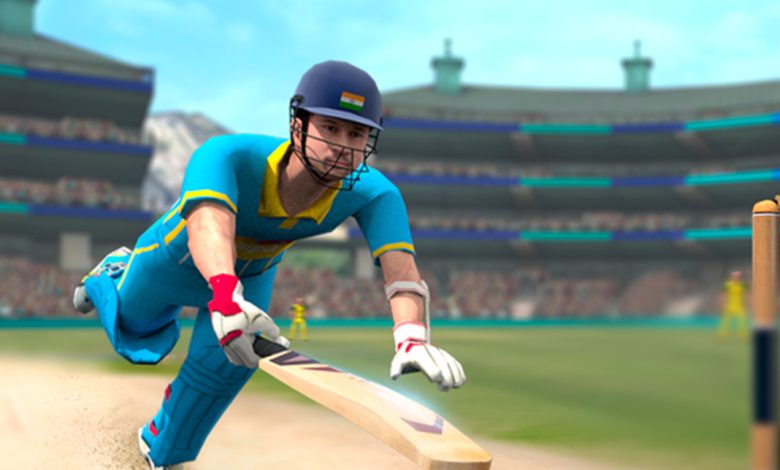
A cricket ground is more than a place where the match takes place. The available scoring areas, position of the fielders and overall playing environment can influence how a batter approaches each delivery. A shot that looks safe in one situation may travel directly towards a waiting fielder in another.
The same awareness matters while playing through a cricket app, as players must notice the available spaces before selecting a direction.
In mobile cricket games, understanding the playing area can help users choose between placement, controlled batting and a more attacking response.
Looking Beyond the Delivery
When batting in mobile cricket games, players do not watch only the bowler. They also study where the fielders are standing and which parts of the ground appear less protected.
Have you ever seen a batter connect perfectly but fail to score because the ball travelled towards a fielder? Well, the timing may have been correct, but the chosen area was not.
This is why the venue and field layout become part of the batting plan. Players must consider what is happening around them before committing to a shot.
Choosing Scoring Areas Carefully
Many new players believe that power is enough to produce a boundary. However, a strong shot can still be stopped when it is directed towards a protected area.
Placement offers another option. A batter can aim for an open section instead of trying to overpower the field every time. This approach can also reduce unnecessary risk because the player is responding to the available space.
A cricket app becomes more engaging when it gives users a role in this decision. The shot map allows players to select the area where they want to direct the ball, making placement an active part of batting.
Fielding Changes the Value of a Shot
Venue strategy does not belong only to the batter. Fielders shape the way an innings develops by closing scoring areas and creating pressure.
A shot that produced runs earlier may become less useful after the field changes. The batter must then search for another gap or choose a different response.
Manual pickups, catches, throws and direct-hit attempts also keep players involved after the ball has been struck. In close cricket games, one well-completed fielding action can matter as much as a powerful shot.
Adjusting to the Match Environment
A player should not enter every venue or match with one fixed batting pattern. The visual layout, fielding positions and opponent’s plan may demand a different approach.
Saved batting presets can help players prepare controlled and attacking combinations. However, these presets should not be followed blindly. The player must still observe the field and decide whether the selected style suits the current situation.
Games like Real Cricket™ reinforce the importance of venue-specific strategy through varied stadiums, realistic match conditions and gameplay mechanics such as manual fielding and multiplayer, where adapting to different environments becomes part of the challenge.
The Final Words
Stadium and venue design affect the way players see space, judge risk and select scoring areas. The batter must look beyond the ball, while the fielding side must protect the areas most likely to be targeted.
Hence, successful gameplay depends on awareness. Whether playing on a cricket ground or using a mobile screen, the better strategy is to study the environment, notice the gaps and choose the shot that fits the moment.


